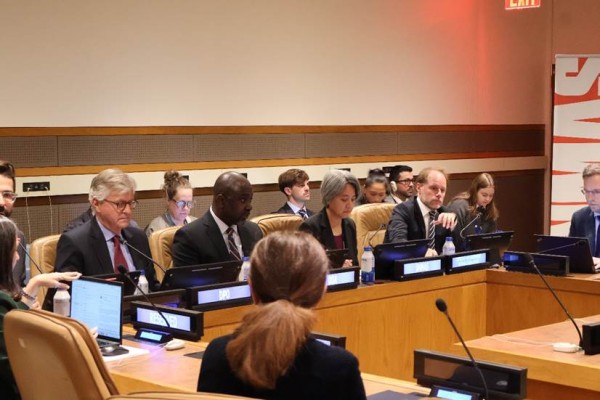
From 10 to 12 February 2026, in Bandung, Indonesia, the Implementation Support Unit (ISU) of the Biological Weapons Convention (BWC) within the United Nations Office for Disarmament Affairs (UNODA) organized a national workshop on the implementation of the BWC in the country. The workshop was convened in close cooperation with the Government of Indonesia, with financial support from the United Kingdom of Great Britain and Northern Ireland.
The workshop was designed to enhance the national implementation of the Convention, promote biosafety and biosecurity, and facilitate the preparation of Indonesia’s fifth report on the annual Confidence-Building Measures (CBMs). Additionally, the workshop had the objective to inform national stakeholders of available capacity-building opportunities in the framework of the Convention and wider biosafety and biosecurity-related aspects.
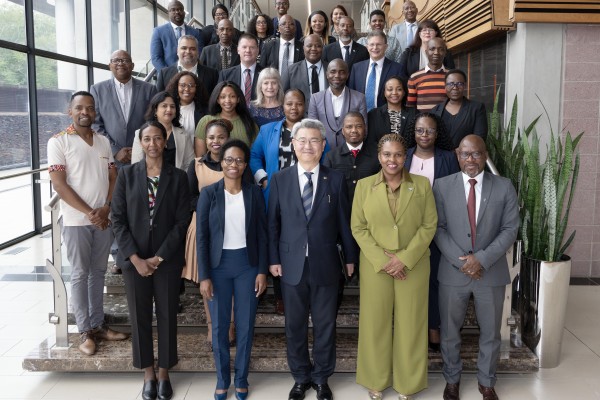
The workshop brought together 40 participants, including 28 national representatives from 14 different institutions in Indonesia, such as the Ministry of Foreign Affairs (including the Permanent Mission of the Republic of Indonesia to the UN and Other international organizations in Geneva/Switzerland), Coordinating Ministry for Political and Security Affairs, Ministry of Defense, Ministry of Environment, National Research and Innovation Agency, Ministry of Health, Ministry of Agriculture, National Armed Forces Strategic Intelligence Agency, National Intelligence Agency, Indonesian Food and Drug Authority (BPOM), Indonesia Biorisk Association, the University of Padjadjaran (UNPAD), and the state owned pharmaceutical and vaccine producer PT Bio Farma. Besides staff from the ISU/UNODA, experts from China, Thailand, the Netherlands, and the S. Rajaratnam School of International Studies (RSIS)/Singapore joined in-person to share effective national implementation practices on the Convention and inform about regional biosecurity-related aspects. Representatives from the Food and Agriculture Organization (FAO), the International Police Organization (INTERPOL), the World Health Organization (WHO), the World Organization for Animal Health (WOAH), and the International Centre for Genetic Engineering and Biotechnology (ICGEB) contributed remotely to the workshop discussions.
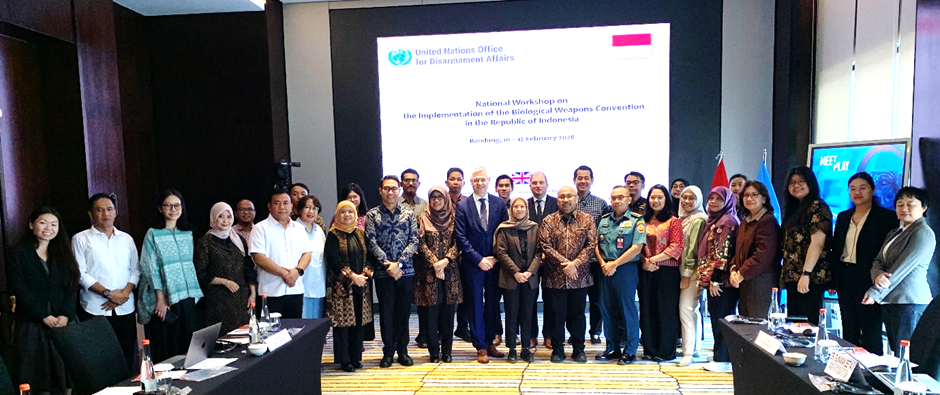
During the opening session, remarks were delivered by Indonesia and the BWC ISU. In his opening address, H.E. Tri Tharyat, Director-General for Multilateral Cooperation at the Ministry of Foreign Affairs of the Republic of Indonesia, emphasized that the workshop aims to strengthen Indonesia’s national efforts in implementing the Biological Weapons Convention (BWC). He underscored that the BWC constitutes one of the central pillars of the global disarmament architecture by reinforcing the norm against biological weapons. H.E. Tri Tharyat highlighted the importance of collective responsibility and cooperation, stating: “Together, let us work towards a world free from the threat of biological weapons, where science and technology are harnessed for peace and prosperity for all.”
On behalf of the BWC ISU, Alex Lampalzer further acknowledged Indonesia’s efforts to implement the Convention since its ratification in 1992, including the establishment of relevant legislation and previous participation in the CBM process. In this regard, it was underscored that Indonesia’s full commitment to implementing the Convention “will contribute to enhancing transparency and trust among States Parties in the region and across the globe.”
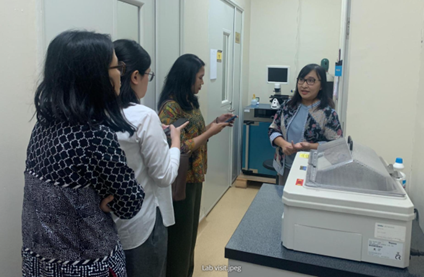
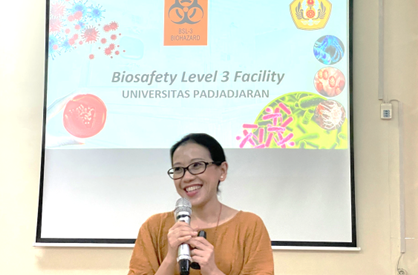
Throughout the workshop, Indonesia shared information on existing national measures related to the implementation of the BWC. Experts from China, Thailand, and the Netherlands provided insights into national approaches to implementing the Convention. The workshop also included a visit to the Central Laboratory of the University of Padjadjaran, which provided participants with an overview of its activities, including a guided tour of the BSL3 and BSL2 laboratory.
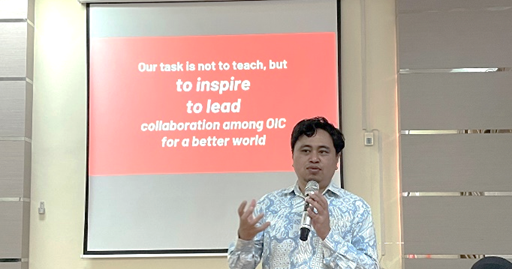
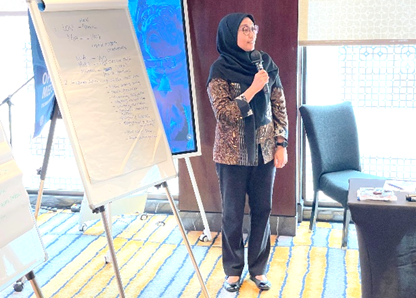
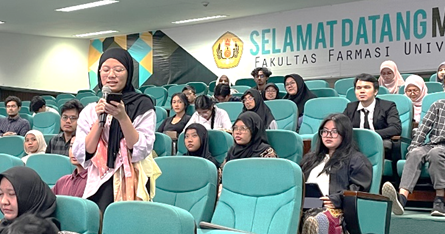
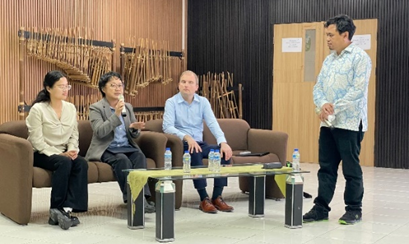
A CBM tabletop exercise provided participants with practical insight into the preparation, relevance, and benefits of CBM reports for States Parties. The workshop further explored bilateral, regional, and international cooperation and assistance opportunities to support the effective implementation of the Convention in Indonesia. The workshop also provided an opportunity for raising awareness about the Convention to research staff and students from the University of Padjadjaran. The session covered presentations by the ISU, UNPAD, and the national experts from China, Thailand, and the Netherlands. It provided a valuable opportunity to engage with youth, to highlight relevant engagement opportunities in the area of biosecurity, and sensitized students about the importance of ethical and security-related considerations in their research.
Additional information on the BWC is available here.