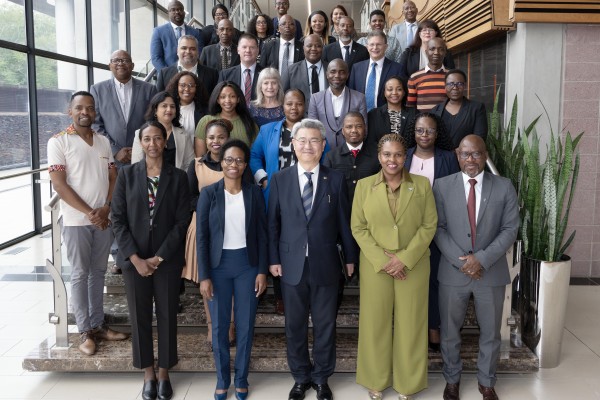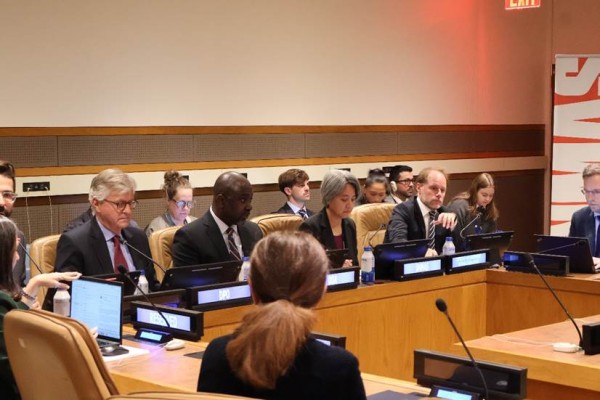
From 12 to 23 January 2026, the United Nations Office for Disarmament Affairs (UNODA), in collaboration with the Austrian Ministry of Defence and the Ammunition Management Advisory Team (AMAT), with substantive contribution from the Small Arms Survey, successfully hosted the 2026 UN SaferGuard Regional Training for Women Ammunition Technical Experts in Africa on the International Ammunition Technical Guidelines (IATG). Held at the Humanitarian Peace Support School (HPSS) in Nairobi, Kenya, the two-week course brought together 15 women from 10 African countries: the Democratic Republic of the Congo, Ghana, Kenya, Morocco, Namibia, Sierra Leone, Somalia, South Africa, Tanzania and Tunisia, representing all regions of the continent. The training aimed to enhance the technical capacity of women professionals working in ammunition safety and security, in line with the IATG. Delivered through classroom instruction, group work and practical exercises, the curriculum addressed key aspects of safe ammunition management, including risk assessment, surveillance and proofing, explosive storehouse assessments and safety-driven decision-making.
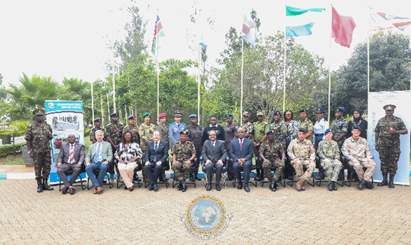
Beyond strengthening individual technical skills, the programme continues to have a wide-reaching impact across the region. By equipping women professionals with the knowledge and confidence to lead on ammunition safety, the initiative contributes directly to reducing the risks associated with unplanned explosions, diversion and unsafe stockpiles. It also supports national authorities in meeting international commitments to arms control and risk mitigation efforts. The collective expertise built through this programme is already being applied across Africa as alumnae take on increased responsibilities, improve standard operating procedures, shape national policies and mentor other women entering the field. Through these ripple effects, the training strengthens States’ institutional capacities, enhances regional cooperation and contributes to safer security sectors.
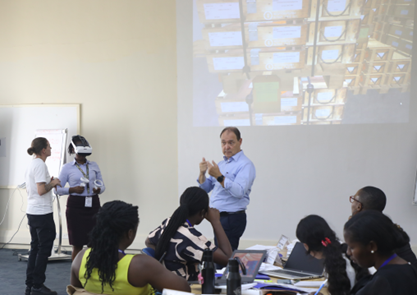
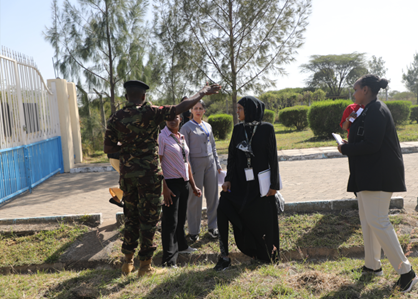
Virtual Reality exercise simulating an ammunition depot inspection & ammunition site inspection exercise.
The programme was facilitated by a dedicated team, including four alumnae of the training, from the Ministry of Defence of Kenya and the Uganda Police Force as well as personnel from the Ministry of Defence of Austria and AMAT. Their leadership demonstrated the growing impact of the initiative, as former participants increasingly take on training and mentoring roles.
The excellent cooperation between UNODA and Austria played a central role in the successful organization and delivery of the programme. This collaboration was underscored by the high-level representation from both sides during the opening ceremony of the course, notably, Christian Fellner, Austrian Ambassador to Kenya, and Ivor Fung, the Chief of the Conventional Arms of UNODA. Austria also reaffirmed its multi-year commitment to contribute to the hosting of the global and regional UN SaferGuard training courses from 2026 to 2028. UNODA expressed its appreciation to Austria for its continued and unwavering support and cooperation, which remains vital for advancing women’s technical leadership in ammunition management.
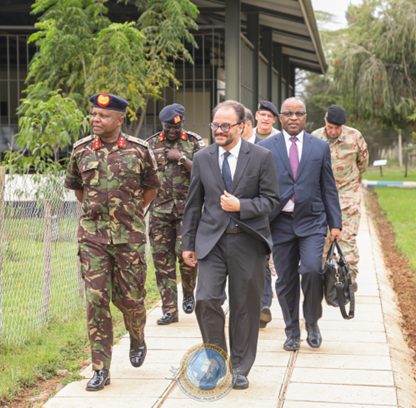
The HPSS, within the International Peace Support Training Centre (IPSTC), served as the host, providing a conducive environment for practical learning and technical exchange throughout the two-week programme. In his closing remarks, Brigadier Cleopas Mundui, Commandant of HPSS, commended the dedication and professionalism of the participants, noting that “you leave today as a strengthened cohort of technical experts, equipped with enhanced knowledge and a shared sense of purpose.” He highlighted the significance of building both technical expertise and regional networks, emphasizing that the skills gained would contribute to safer communities and more resilient security institutions across Africa.
The training forms part of the broader effort to expand and strengthen the Women Managing Ammunition (WoMA) Network, a global initiative that connects women working in ammunition safety and security. Participants were encouraged to continue engaging with the network as a resource for professional development, peer learning and participation in international forums.
As the 2026 cohort returns to their home countries, they do so equipped not only with specialized technical knowledge but also with a continent-wide support network. Their shared commitment to advancing safe, secure and inclusive ammunition management contributes to broader efforts to enhance security and build resilient institutions throughout Africa.