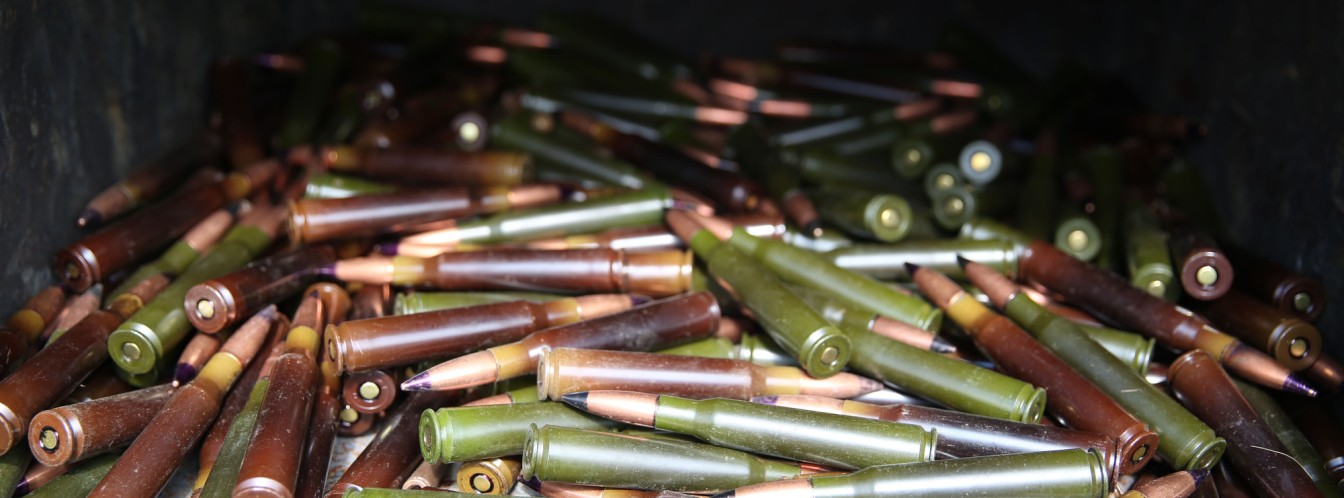
Inadequate through-life conventional ammunition management fuels insecurity. Diversion of ammunition to illicit markets has been a catalyst for armed conflict, organized crime and terrorism. Moreover, diverted ammunition is increasingly used to assemble improvised explosive devices.
In addition, over the past five decades, more than 100 countries have experienced unplanned explosions at munitions sites due to poorly-managed ammunition often bringing about humanitarian and socio-economic disasters. The unique challenges posed by conventional ammunition lie in their explosive nature and tendency towards instability. The innate chemistry of ammunition necessitates rigorous storage procedures to prevent explosions that can have disastrous humanitarian consequences, including death, injury, displacement and environmental damage.
Taken together, these consequences demonstrate the very serious security and safety challenges posed by inadequately-managed stockpiles.
In response to these concerns, the General Assembly requested the United Nations to develop guidelines for adequate ammunition management to ensure that the United Nations consistently delivers high-quality advice and support (A/RES/63/61). As a result, the International Ammunition Technical Guidelines (IATG) were developed in 2011 and the UN SaferGuard Programme was established as the corresponding knowledge management platform.
A Group of Governmental Experts met in 2020 and 2021 and adopted a comprehensive approach, exploring the full range of safety and security measures applicable to ammunition in every stage of “through-life” management. The GGE also put forward practical, concrete recommendations for a comprehensive framework on conventional ammunition supported by a dedicated implementation mechanism, aiming to support the prevention of both unplanned explosions and diversion (A/76/324).
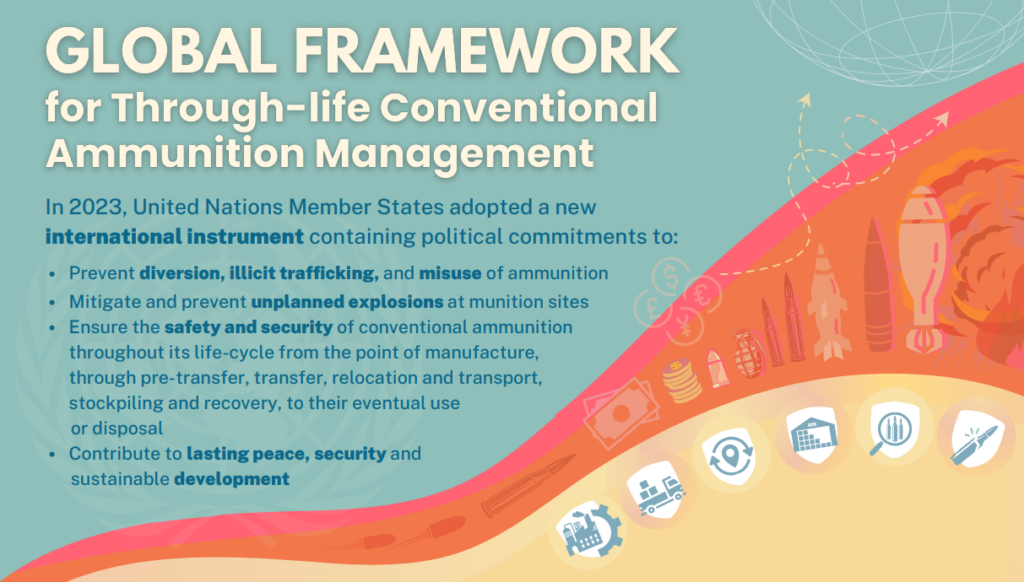
Welcoming the report of the GGE, the General Assembly decided, by resolution 76/233, to establish an open-ended working group (OEWG) to elaborate a set of political commitments as a new global framework that would address existing gaps in through-life ammunition management. In June 2023, the Open-Ended Working Group on Conventional Ammunition adopted its final report (A/78/111), without a vote. The report contains a new international instrument, The Global Framework for Through-life Conventional Ammunition Management elaborated in 2022 and 2023. In line with the recommendation of the open-ended working group on conventional ammunition, the General Assembly, in its resolution 78/47, adopted the Global Framework (A/78/111, annex) in December 2023, welcomed the final report of the open-ended working group and called upon all States to implement the Global Framework.
Global Framework on Ammunition
UN SaferGuard Programme
The UN SaferGuard Programme, managed by the UN Office for Disarmament Affairs (UNODA), oversees the maintenance and dissemination of the IATG: practical guidance on the safe and secure management of ammunition.

International Ammunition Technical Guidelines
The IATG are publicly available to assist national authorities – including armed forces, police officers and border control officials – as well as industry, private security companies and operational non-governmental organizations to enhance the safety and security of ammunition stockpiles. The aim of the IATG is a reduction of the dual risks of unplanned explosions and illicit diversion.
The IATG are voluntary, practical guidelines for use by interested States and other relevant stakeholders to inform the development of national standing operating procedures.
The IATG consist of 12 volumes that provide practical guidance for a ‘through-life’ approach to ammunition management. The IATG can be applied at basic, intermediate, or advanced levels, making the IATG relevant for all situations. These increasingly complex steps are called risk reduction process levels (RRPLs) and take into consideration capacity and resources available.
Key IATG implementation support tools – ranging from a risk reduction checklist to a quantity distance map– are available for immediate use by ammunition experts to improve ammunition safety at www.un.org/disarmament/un-saferguard.
To assist authorities in utilizing the IATG and in developing national standards and procedures, the UN SaferGuard Programme has also published three practical IATG support guides:
- Critical Path Guide to the International Ammunition Technical Guidelines
- A Guide to Developing National Standards for Ammunition Management
- Utilizing the International Ammunition Technical Guidelines in Conflict-Affected and Low-Capacity Environments
Learn more about IATG
Ammunition Management Advisory Team
In line with the Secretary-General’s Agenda for Disarmament, specifically action 22 on securing excessive and poorly maintained stockpiles, the Ammunition Management Advisory Team (AMAT) provides technical expert assistance to interested States and partners in accordance with the IATG, including under the UN SaferGuard Quick-Response Mechanism. AMAT seeks to enhance State and regional action on safe and secure management of ammunition and to facilitate effective and sustainable international cooperation and assistance. AMAT is based in Geneva and was established as a joint initiative of UNODA and the Geneva International Centre for Humanitarian Demining.

Gender and Ammunition Management
Established in 2022 under the UN SaferGuard Programme, the Women Managing Ammunition Network (WoMA Network) promotes gender equality and diversity in ammunition management by increasing the visibility, participation and leadership of women in this highly specialized technical field. The network connects women professionals from around the world, creating a platform for the exchange of knowledge, experiences, opportunities and best practices, while fostering mentoring, professional development and peer support.
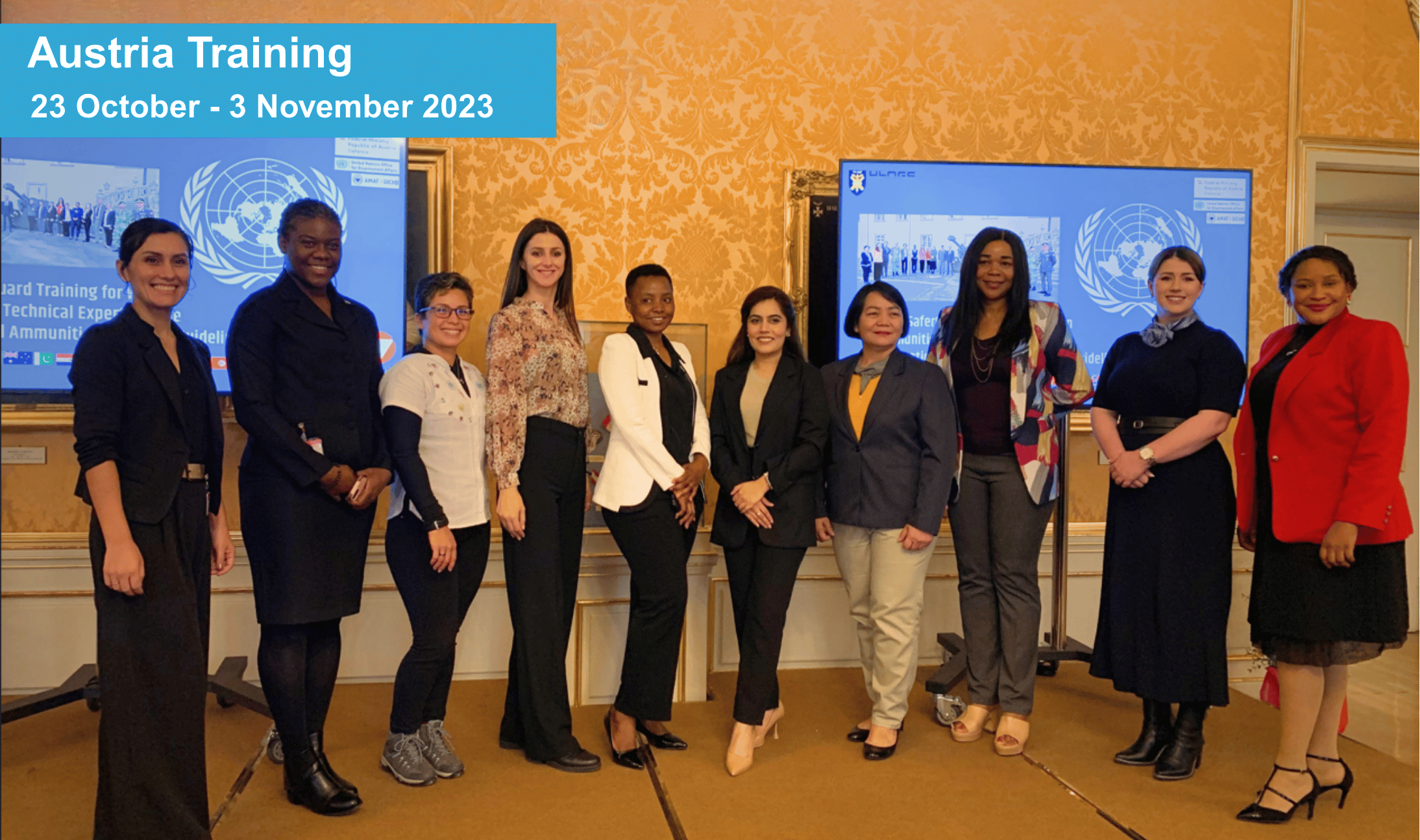
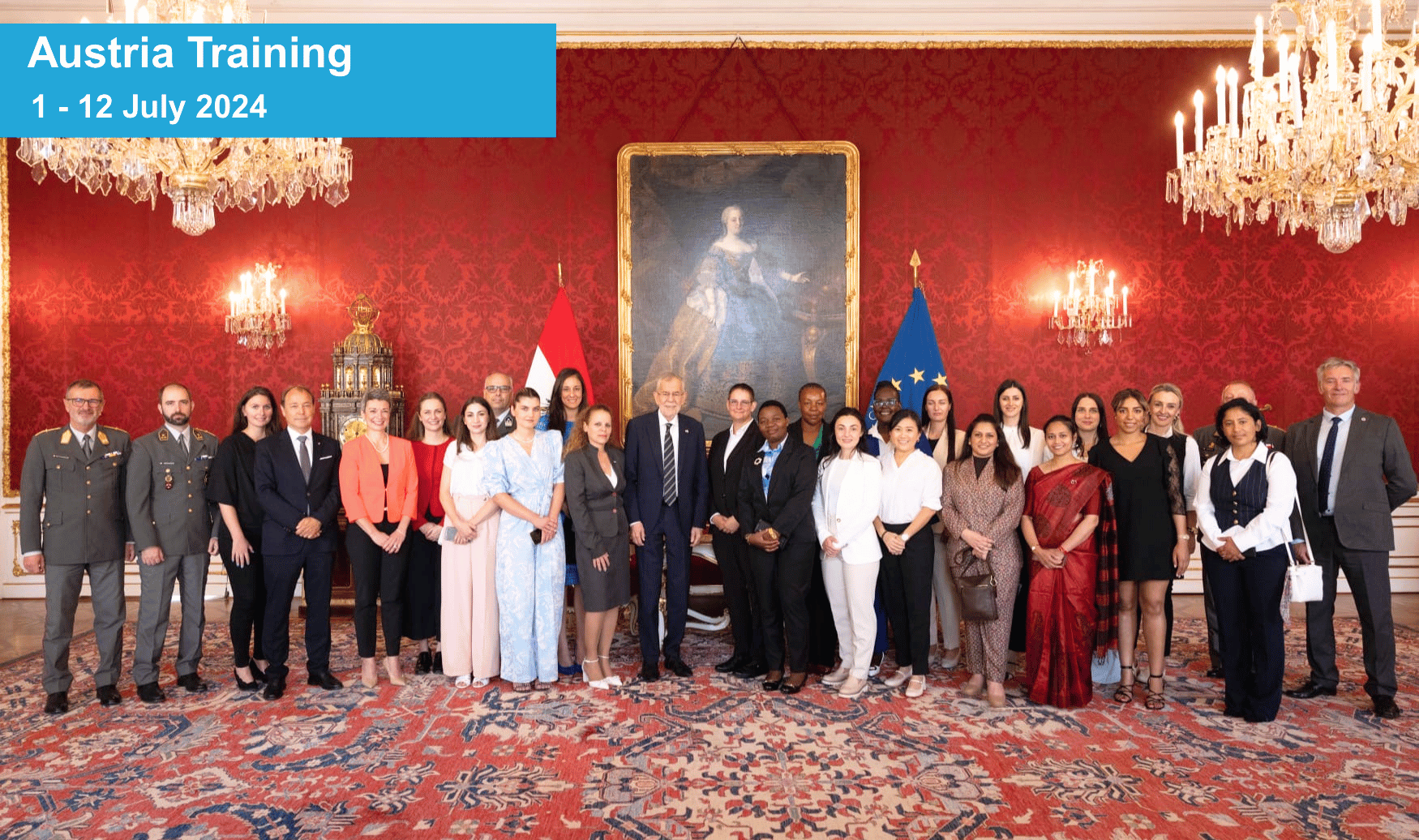
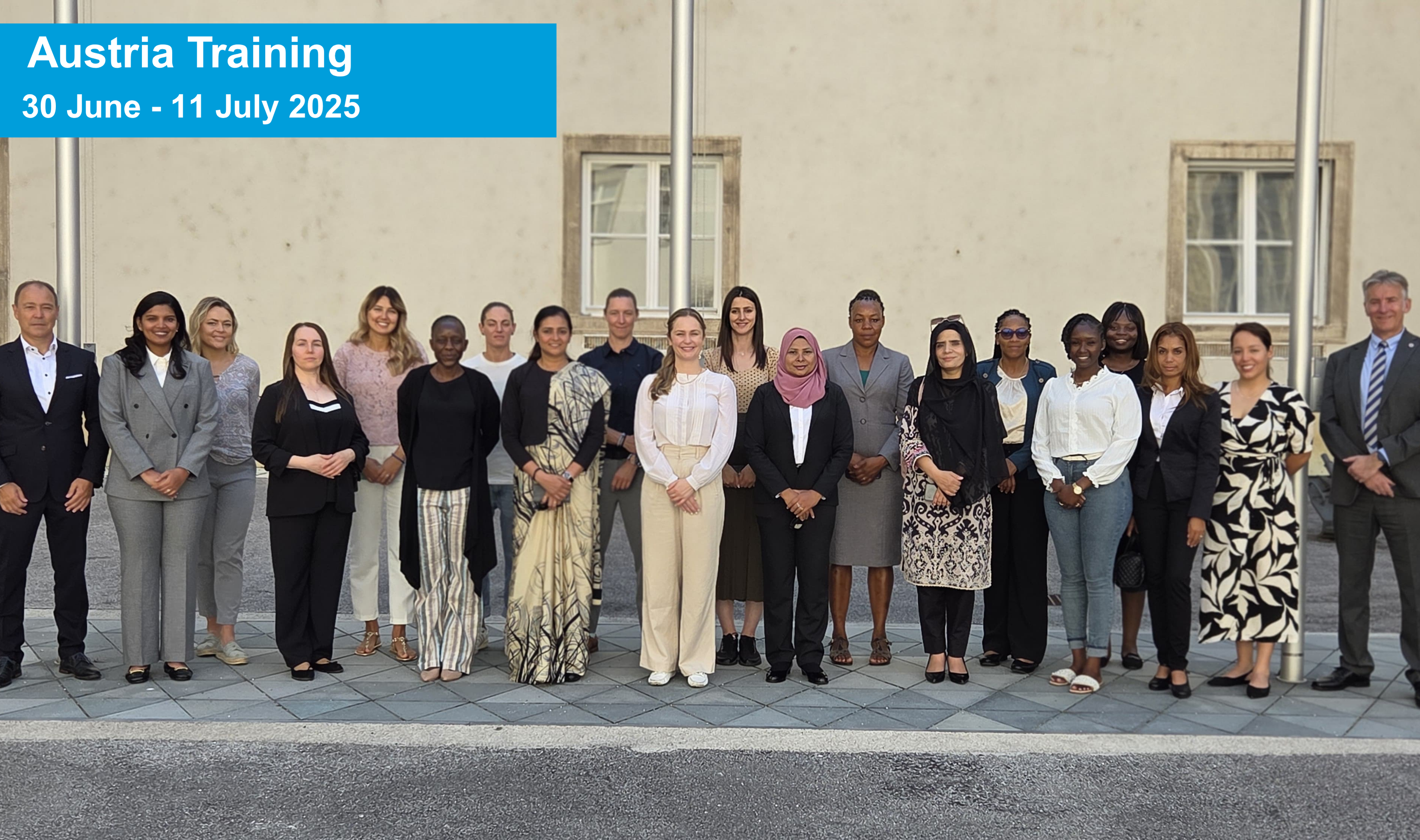
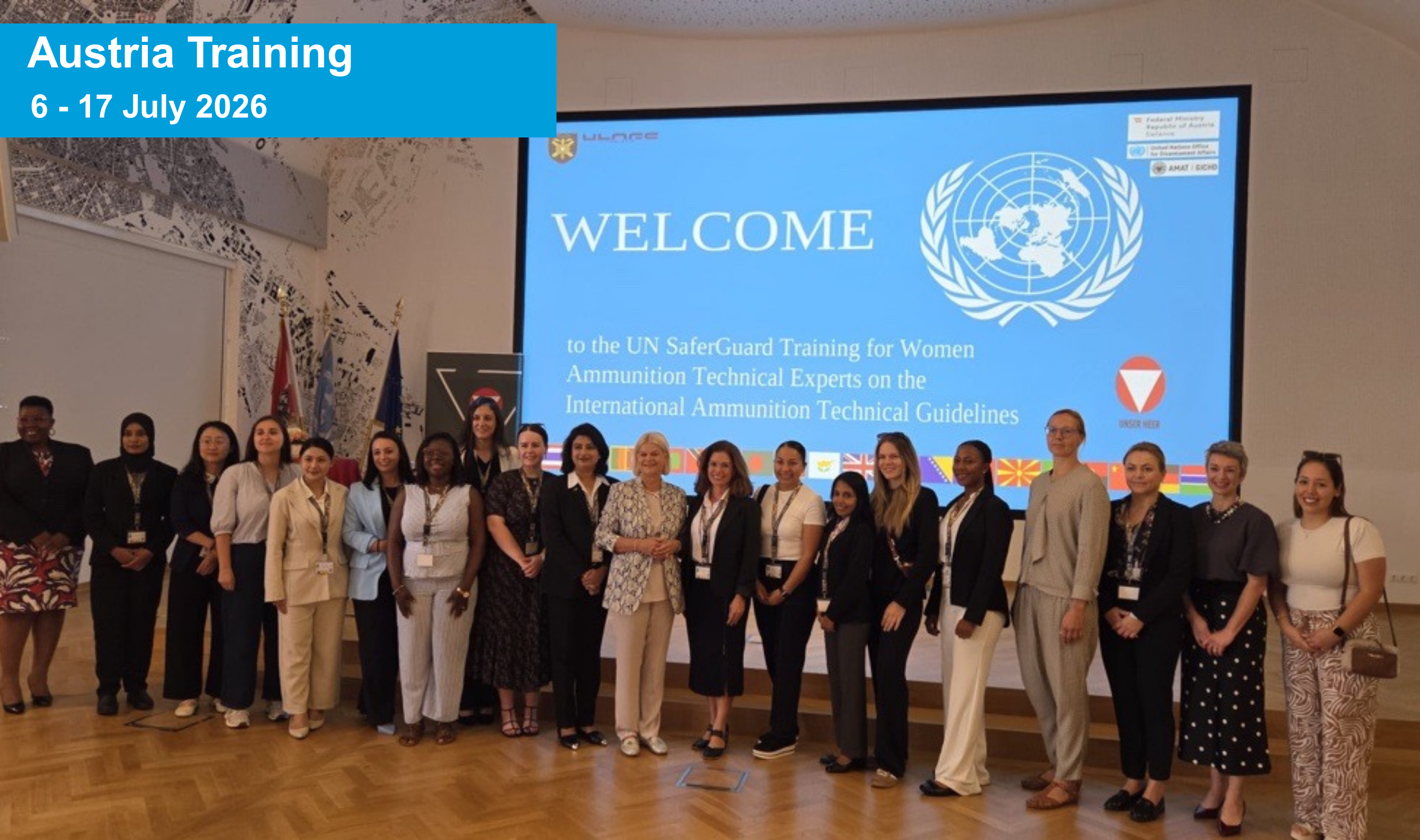
Since 2023, UNODA, in partnership with the Austrian Federal Ministry of Defence and the Ammunition Management Advisory Team (AMAT), has organized annual training courses on the International Ammunition Technical Guidelines (IATG) for women ammunition technical experts under the UN SaferGuard Programme. These trainings are designed to strengthen technical expertise in safe, secure and sustainable ammunition management while advancing the objectives of the WoMA Network by supporting the professional growth, visibility and meaningful participation of women in the field.
To date, nearly 70 women ammunition professionals from 46 countries have joined the network. Through a combination of technical training, practical exercises, peer learning and international networking, participants build their capacity to implement international standards and contribute to safer ammunition management practices in their respective countries. The initiative also supports the implementation of the Global Framework for Through-life Conventional Ammunition Managementand contributes to advancing the Women, Peace and Security Agenda.
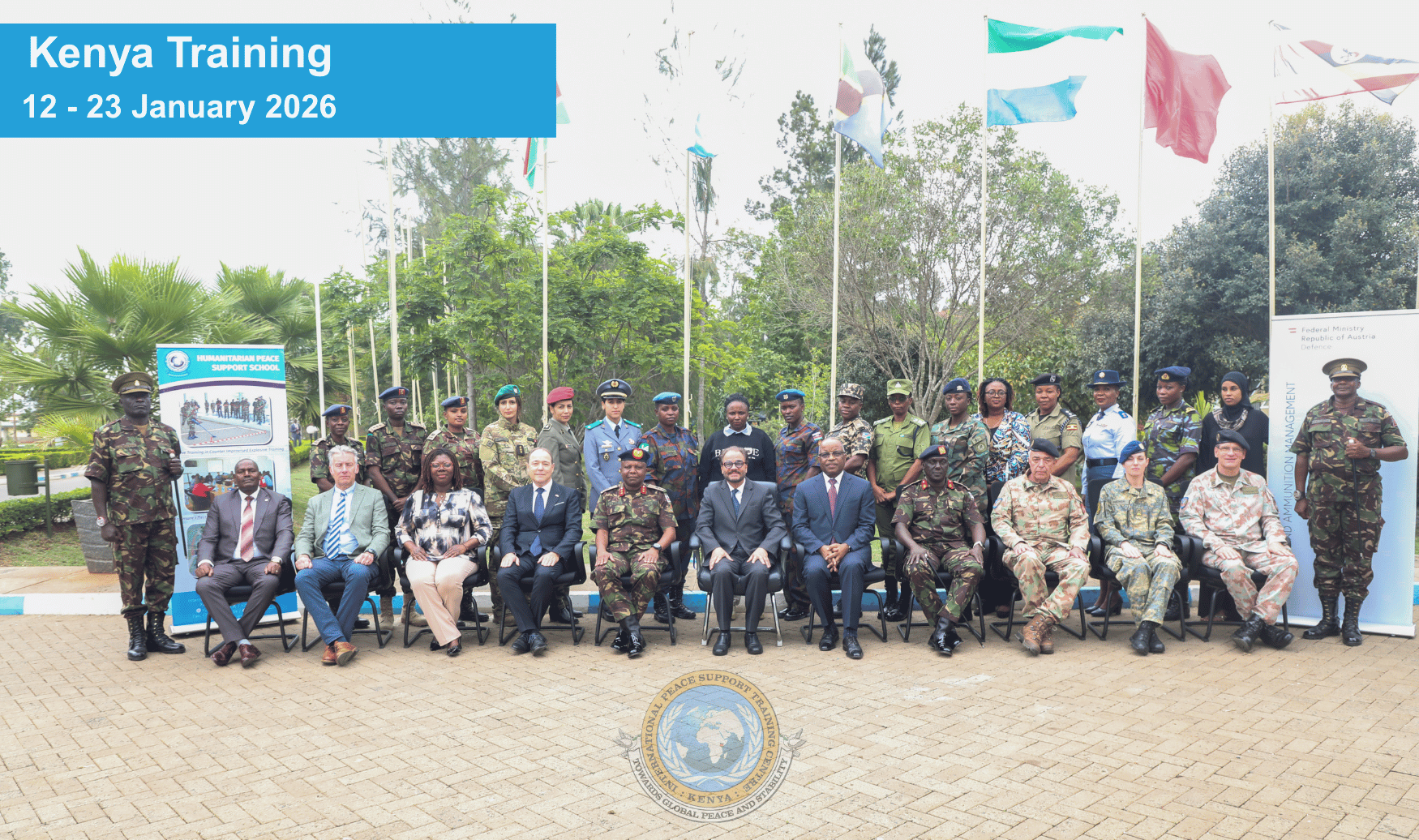
The flagship global training for women ammunition technical experts is held annually in Wiener Neustadt, Austria, bringing together women specialists from across the world. Building on its success, a regional training programme for African States was launched in Nairobi, Kenya, in 2026, expanding opportunities for women professionals to strengthen their technical skills and regional networks.
Through the WoMA Network and its associated training programmes, UNODA and its partners are helping to build a global community of women experts equipped to promote safer ammunition management, strengthen international cooperation and contribute to lasting peace and security.
Training Editions and Updates
To promote gender-responsive ammunition management, UNODA and the Small Arms Survey released the following publications: