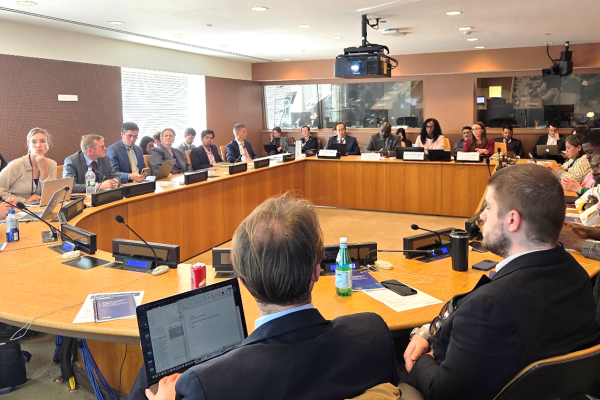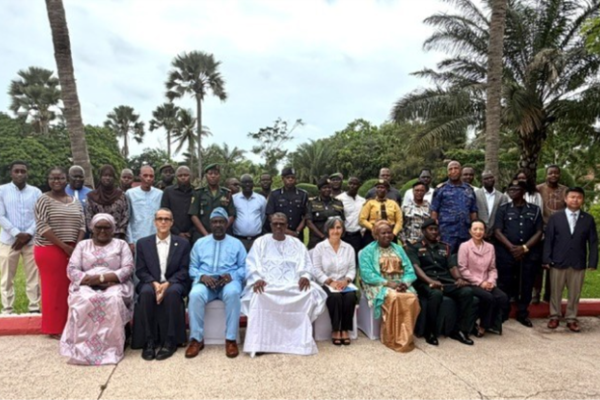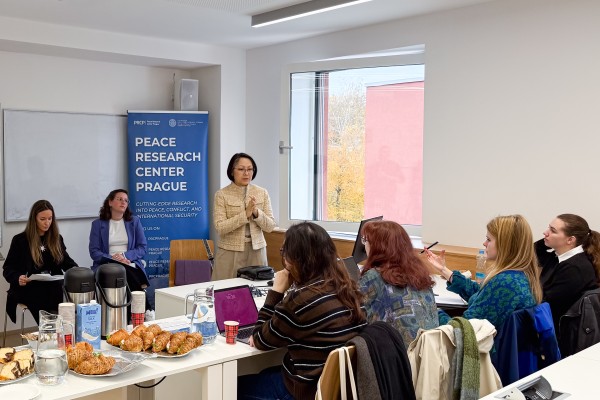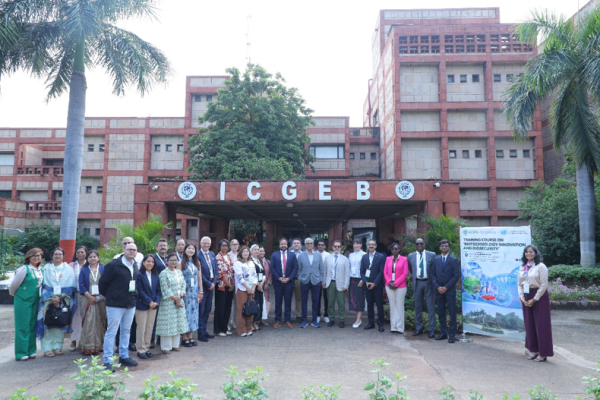
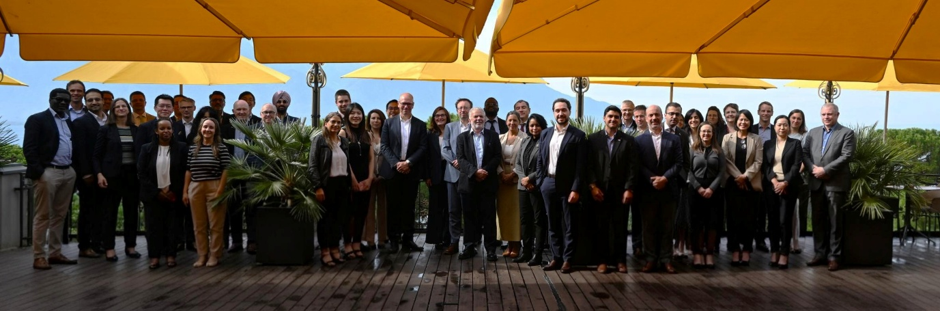
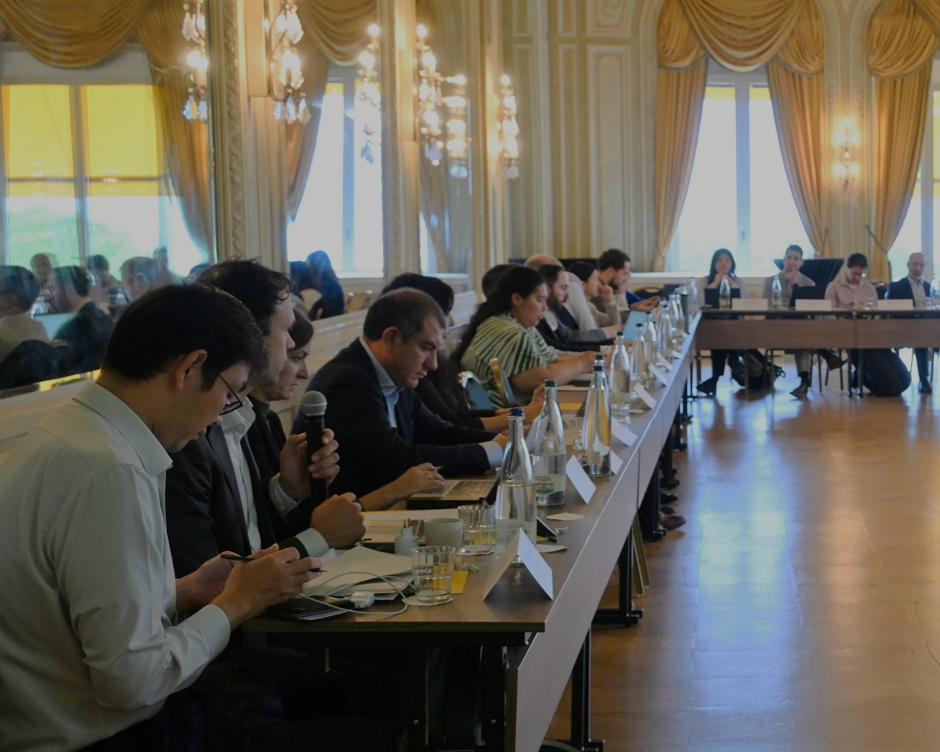
On 29–30 September 2026, the United Nations Office for Disarmament Affairs and the United Nations Institute for Disarmament Research, with financial support from the European Union, co-organized an informal retreat in Montreux, Switzerland, to support the negotiations within the Working Group on the Strengthening of the Biological Weapons Convention which will conclude by the end of the year.
The 1972 Biological Weapons Convention (BWC) was the first treaty to prohibit an entire class of weapons of mass destruction. With 189 States Parties, the treaty remains a critical component of the broader framework of measures designed to prevent the re-emergence of biological weapons. However, the BWC currently lacks a verification mechanism to assess whether States Parties are in compliance with their treaty obligations. It also lacks the operational means to, inter alia, assess risks and opportunities arising from developments in science and technology and to facilitate international cooperation on biology for peaceful purposes.
To address these limitations, States Parties established a Working Group on the Strengthening of the Convention at the Ninth BWC Review Conference in 2022. Over the course of nine sessions in Geneva since 2023, diplomats from around the world have been working on a draft final document covering a range of measures to strengthen and institutionalize the BWC. These include the establishment of two mechanisms: one to provide advice on science and technology, and another to support international cooperation and assistance. The draft also includes a proposal for an Open-Ended Working Group on compliance and verification.
A pivotal moment ahead of the December negotiations
Agreement on the draft text at the tenth and final session of the Working Group in December 2026 would therefore represent an important step forward in strengthening and advancing the Convention. Melanie Regimbal, Chief of Service of the Geneva Branch of the Office for Disarmament Affairs, noted that the importance of reaching agreement goes far beyond the Working Group itself. She recalled the words of the High Representative for Disarmament Affairs, Izumi Nakamitsu, who recently described the tenth session of the Working Group as a “once-in-a-generation opportunity” to strengthen the Convention. Robin Geiss, UNIDIR Director, warned that failure at the tenth session in December would risk a return to the divisions and discord that followed the collapse of negotiations on a BWC Protocol in 2001.
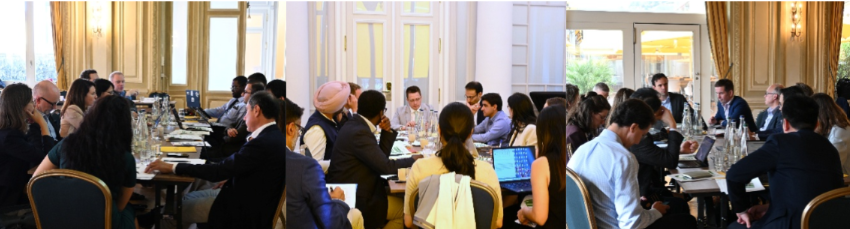
Against this backdrop, the retreat brought together representatives from States Parties from across regional groups to Montreux to advance discussion on the draft text. Participants worked in breakout groups addressing three clusters of unresolved issues in the draft final document: international cooperation and assistance under Article X; science and technology; and compliance and verification. The moderators indicated that possible ways forward identified in the discussions would be transmitted to the Chair of the Working Group, Ambassador Frederico S. Duque Estrada Meyer of Brazil, for consideration and further work.
Preparing for implementation and the future of the Convention
Participants also discussed the practical steps that would be needed for the swift implementation of the two mechanisms envisaged in the draft report of the Working Group. The BWC Implementation Support Unit will need to plan ahead for an expected start date of 2028.
Participants also received an overview of the BWC review conference process, which represents a critical opportunity for States Parties to assess progress under the Convention and set its future direction. Achieving a successful outcome at the Tenth Review Conference in 2027 will require sustained preparation and political commitment. Failure to reach agreement could jeopardize key elements of the Convention's architecture at a time when rapid technological developments and geopolitical tensions make a strengthened BWC more important than ever.
In his closing remarks, Ambassador Meyer invited each delegation to ask itself a simple question: “What do we have to gain from an agreement in December, and what do we have to lose if we fail to achieve one?”. He concluded the retreat by noting that political engagement will be essential in the coming weeks. He also encouraged participants to carry the “spirit of Montreux” back to Geneva and onwards to capitals with a view to agreeing on the final document in December.
Further information on the BWC is available here.