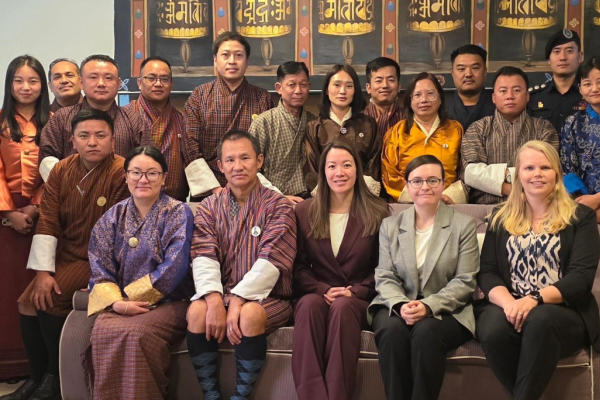
Howard is a survivor of the atomic bombing in Hiroshima, also known as a hibakusha. Tina grew up in a family that experienced firsthand the effects of nuclear testing in New Mexico, commonly referred to as downwinders. In early 2026, they met for the first time at the United Nations Headquarters in New York to reflect on the weight of history, the importance of preserving their stories, and how to engage future generations in a period of heightened tension as new nuclear threats emerge.
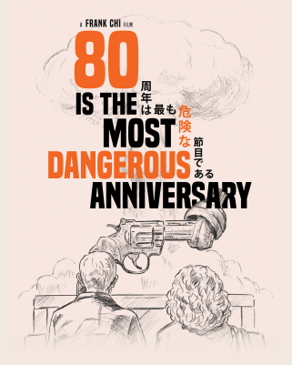
This is the premise of “80 is the Most Dangerous Anniversary”, a short film made in collaboration with the UN Office for Disarmament Affairs (UNODA), directed by Emmy award-winning filmmaker Frank Chi. The film will make its world premiere at the SCAD Savannah Film Festival in Savannah, Georgia (United States) on 25 October, and will continue its film festival run and other public screenings worldwide in 2027.
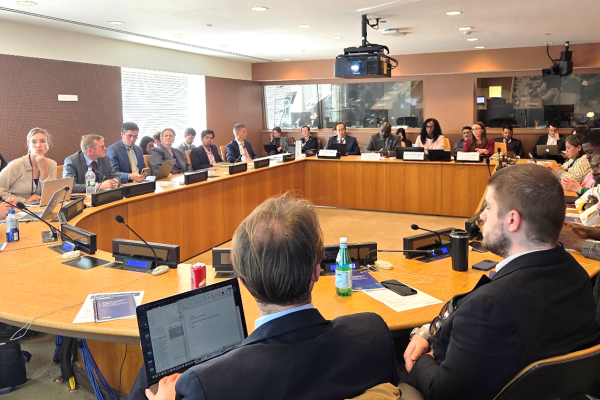
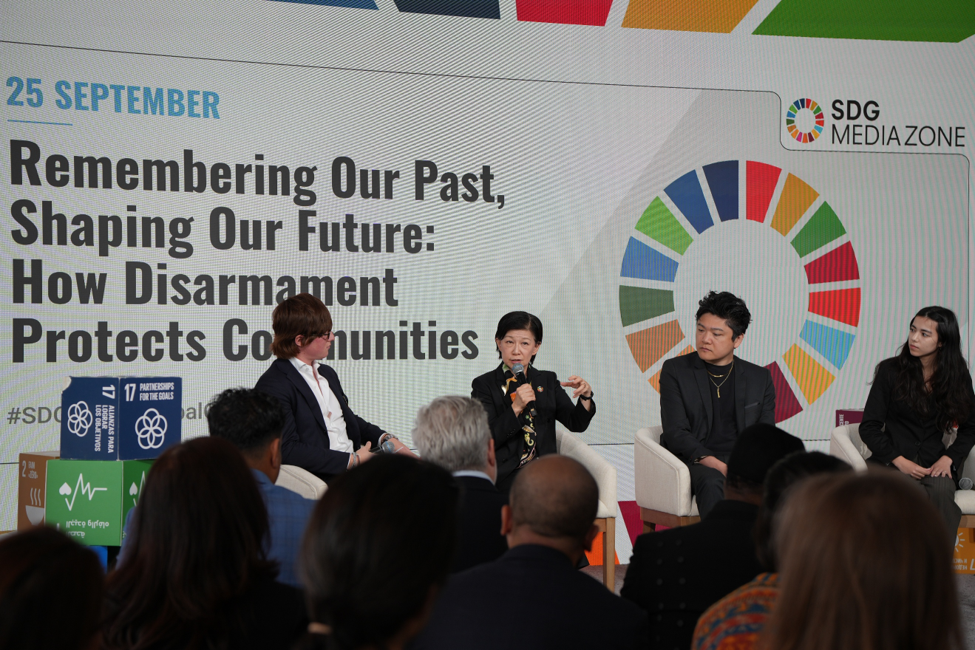
The upcoming release of the film, and the importance of preserving memory to shape a safer future, were the main topics of a panel held in the margins of the High Level Week of the 81st Session of the UN General Assembly (UNGA81), at the Sustainable Development Goals (SDG) Media Zone. The discussion focused on the importance of advancing human health and well-being, and the role of nuclear disarmament in achieving this goal.
The panel, moderated by New York Times journalist Spencer Cohen, featured Izumi Nakamitsu, Under-Secretary-General and High Representative for Disarmament Affairs, in conversation with Frank Chi and Liana Liu Ioannides, a participant in UNODA’s Youth Leader Fund for a World without Nuclear Weapons (YLF). Together, the panelists explored the role of memory, the importance of storytelling, and ongoing efforts to investigate the effects of nuclear weapons on people and the environment.
“I think the hibakusha, and the survivors of nuclear testing, have given us a real source of inspiration, a real strong passion and understanding of why we need to work on this. That is the power of memory and storytelling. It empowers us and gives us energy”, said Izumi Nakamitsu, who shared that she grew up listening to stories of the atomic bombing in Nagasaki, her mother’s hometown. As we progressively lose these firsthand accounts while hibakusha continue to age, she stated, we must ensure that their stories are preserved so they can continue to inspire young people who will become the next generation of peacebuilders.
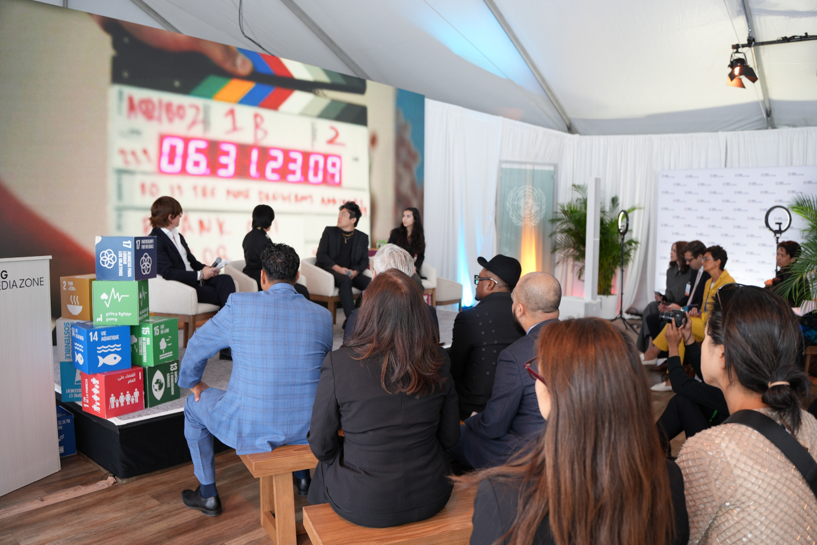
The panel featured a 90-second preview of the film, in which attendees met Howard and Tina, the protagonists of the story: “80 years is the end of generational memory”, filmmaker Frank Chi said, explaining the reason behind the film’s title. “We cannot afford to repeat the mistakes of the past. If we lose our connection with people who lived through that era, we are not doing a service to the urgency of this moment.”
Liana is young peacebuilder from Cyprus who recently joined a cohort of 50 participants, aged 18 to 29 that visited Nagasaki and Hiroshima as part of the YLF programme. There, she met with hibakusha and explored the sites affected by the atomic bombings. The visit, she said, was not only transformative but also prompted her and her peers to reflect on how to convey what they witnessed to other young people. Her conclusion was that this can be done by sharing these stories, framing them not only within a narrative of resilience and survival, but also by providing historical context and helping audiences understand the urgency and importance of nuclear disarmament. In this effort, she concluded, youth have a major role to play.
During the event, Izumi Nakamitsu also shared further details about the independent Scientific Panel on the Effects of Nuclear War. This is the first UN-mandated study of its kind since 1989. “Many things have happened since then, so we need to listen to scientists’ analysis to make sure that the public and policymakers understand the impact of nuclear war in today’s world”, she said. The report, set to be issued in the summer of 2027, will address the direct and indirect impact of nuclear war at the local, regional and global levels.
Active storytelling can support efforts to make the human impact of nuclear weapons more tangible, understandable, and visible. It can also translate scientific and historical knowledge for broader audiences in compelling, research-based and emotionally resonant ways. In this regard, Frank Chi concluded at the end of the panel: “We just got to tell more stories”.
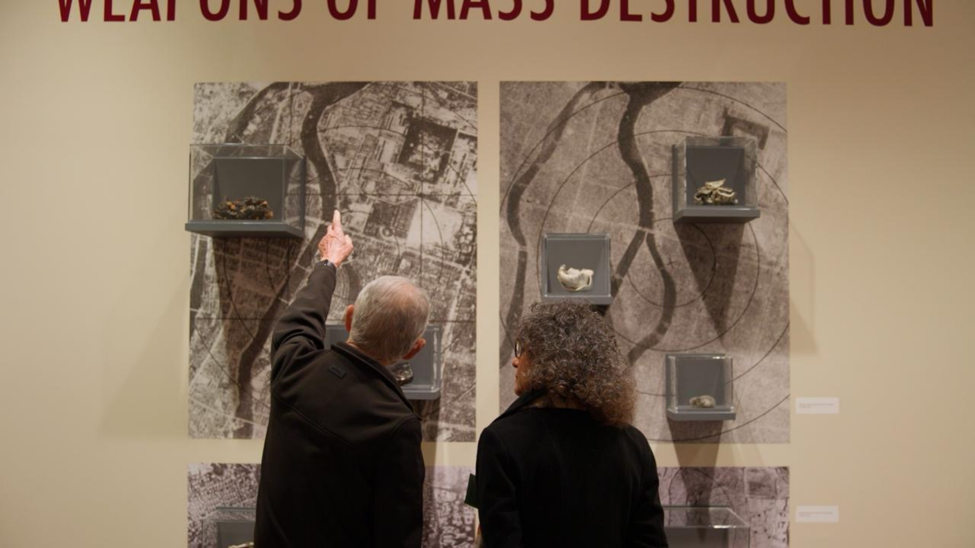
You can find more information, updates and latest news on “80 is the Most Dangerous Anniversary” in UNODA’s Instagram channel. You can also watch the full panel in this link.
To learn more about the YLF programme, visit disarmamenteducation.org/ylf.